

How to Translate Medical Records Accurately and Affordably?
Have you ever wondered how to translate medical records accurately when a single mistranslated term could affect a diagnosis, delay treatment, or complicate an insurance claim? Medical records contain far more than words on a page.
Learning how to translate medical records accurately and affordably starts with understanding what makes these documents different from ordinary business paperwork.
The good news is that organizations can obtain reliable medical translations without unnecessary expenses. Here is how to approach the process effectively.
TL;DR
- Translating medical records converts patient health information into another language while preserving its clinical meaning and details.
- Why accuracy matters: Accurate translations support patient safety, diagnosis, treatment decisions, insurance claims, and legal documentation.
- Key translation challenges: Complex medical terminology, abbreviations, handwritten notes, differences between healthcare systems, and confidentiality requirements.
- Steps for accurate translation: Choose a specialized provider, prepare readable documents, establish medical glossaries, use translation technology, review the translation, and confirm certification requirements.
- Ways to reduce costs: Translate only necessary documents, submit complete files, request detailed quotes, use translation memory for recurring projects, and select services based on the intended use.
What Does It Mean to Translate Medical Records?
Medical record translation is the process of converting patient health information from one language into another while preserving its original meaning, clinical details, and document structure.
Unlike general translation, HIPAA-Compliant Medical Translation requires an understanding of healthcare terminology, clinical context, and the conventions used in medical documentation.
What does medical record translation include?
Medical records that commonly require translation include:
- Patient medical histories: Previous diagnoses, chronic conditions, and treatment histories.
- Laboratory and diagnostic reports: Blood test results and other diagnostic information.
- Hospital records: Admission notes, discharge summaries, surgical reports, and physician documentation.
- Medication records: Prescription names, dosage information, administration instructions, and medication histories.
- Immunization records: Vaccination histories needed for healthcare or other administrative purposes.
- Insurance and disability documentation: Medical evidence supporting claims, benefits applications, or reimbursement requests.
Professional Medical Document Translation depends on the document’s intended use. Understanding this distinction before requesting a quote helps prevent unnecessary services and expenses.

Why Is Accurate Medical Record Translation Important?
Translate Medical Records Accurately and Affordably support decisions that directly affect patient care.
When healthcare professionals receive information in a language they understand, they can review a patient’s history more effectively. Translation accuracy is particularly important in several areas.
1. Patient Safety and Continuity of Care
A translated record must preserve critical information about allergies, previous surgeries, existing conditions, and current medications.
An error in any of these details can create confusion during treatment or interfere with continuity of care.
2. Diagnosis and Treatment Decisions
Physicians use symptoms, test results, diagnoses, and treatment histories to evaluate patients.
Healthcare Translation Services for Clinics do not replace clinical judgment. Its purpose is to ensure that the information available to healthcare professionals accurately reflects the original documentation.
3. Insurance Claims and Legal Documentation
Insurers, attorneys, and other authorized parties may rely on translated medical records when reviewing disability claims, injury cases, treatment expenses, or reimbursement requests.
4. Patient Communication and Informed Decisions
Patients may need to Translate Medical Records to understand their health histories, share information with new providers, or seek a second opinion.
Why Are Medical Transcription Services and Translation So Challenging?
Medical documentation is technical and full of terminology that depends on context. Medical transcription services and medical translation services address different tasks, but both require specialized knowledge.
Medical transcription: converts spoken medical information, such as dictated physician notes, into written documentation.
Medical translation: transfers written information from one language to another. Some projects require both services, particularly when source records contain audio, dictated notes, or difficult-to-read handwriting.
There are several challenges that make translating medical records more demanding than general document translation:
Complex Medical Abbreviations and Acronyms
For example, BP commonly refers to blood pressure, while COPD stands for chronic obstructive pulmonary disease.
A translator must recognize the intended meaning and use the appropriate equivalent in the target language. This fits Pharmaceutical Translation Services also.
Specialized Terminology and Medical Word Roots
Medical vocabulary frequently draws on Greek and Latin roots. Similar-looking terms can describe different conditions, anatomical structures, or clinical processes.
Handwritten Notes, Scanned Files, and Poor Image Quality
Not every medical record is a clean, searchable PDF. Some documents contain handwritten observations, low-resolution scans, stamps, tables, or text that has faded over time.
Differences Between Healthcare Systems
Medical terminology and documentation practices vary across countries. A source document may refer to a type of provider, procedure, or healthcare institution that has no direct equivalent in the target market.
Sensitive Information and Regulatory Requirements
Medical records contain personal health information that requires careful handling.
These challenges explain why medical records should be handled by qualified professionals using a structured quality assurance process.
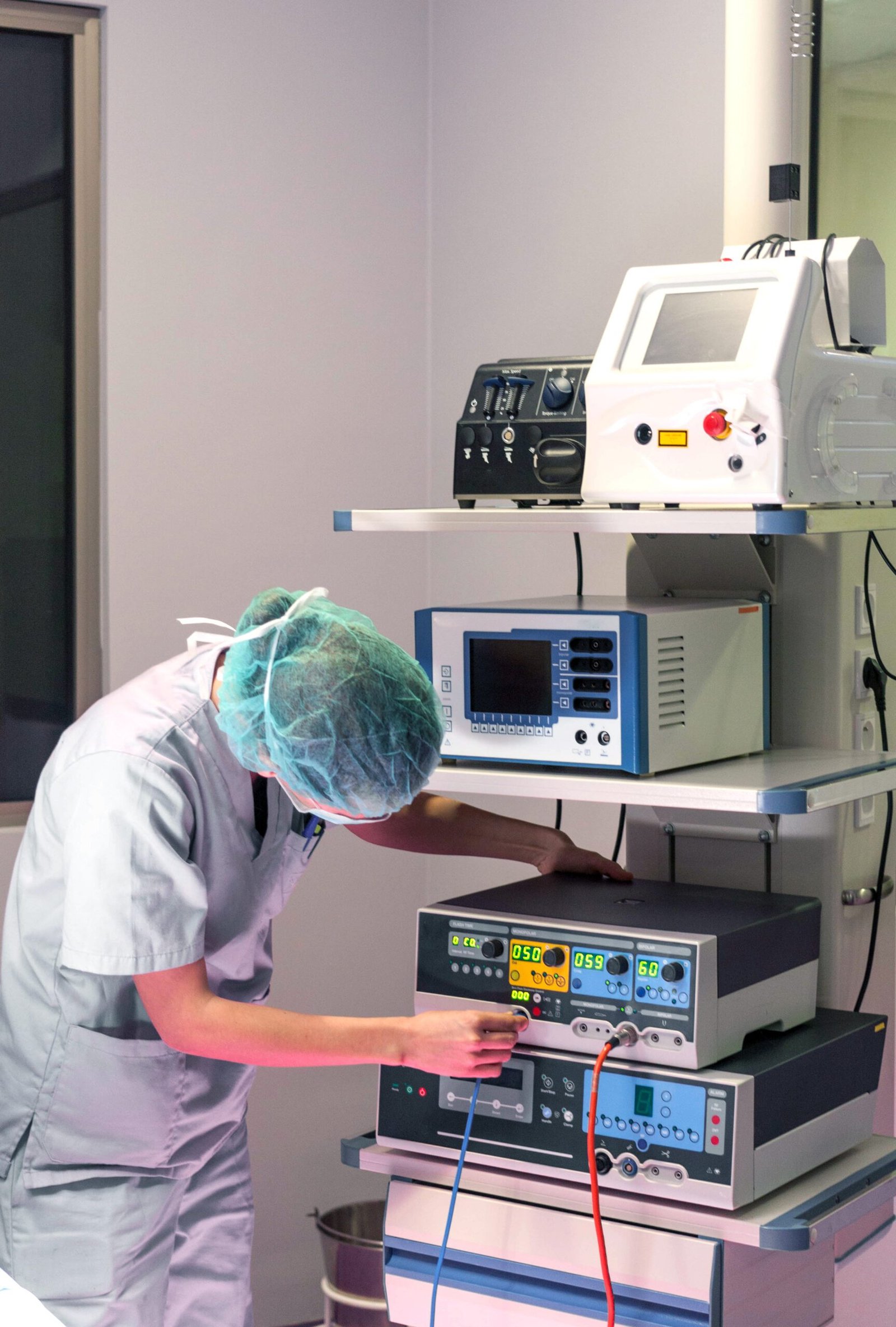
How to Translate Medical Records Accurately?
A reliable medical translation workflow combines subject-matter expertise, terminology management, appropriate technology, and independent quality checks.
The following steps help organizations maintain accuracy while controlling project costs.
- Choose a Specialized Medical Translation Provider
- Prepare Your Medical Documents Before Translation
- Establish a Medical Glossary and Style Guide to define approved translations for diagnoses, anatomical terms, and drug names
- Use Translation Technology to Improve Efficiency and Computer-Assisted Translation (CAT) tools. Machine translation and AI tools may also assist with limited, appropriately controlled tasks
- Review and Validate the Translation. Translation quality assurance should go beyond checking grammar and spelling.
- Confirm Certification and Delivery Requirements. Not every medical translation needs certification. The requirements depend on why the translation is being submitted and who will receive it.
5 Strategies to Cut Medical Translation Costs Without Losing Quality
Affordable medical translation is not about choosing the lowest-priced provider regardless of expertise. Here are some strategies to get the best price of medical translation services and hold costs down
1. Translate Only the Documents You Actually Need
Ask the receiving organization to confirm the required records before requesting a quote. Translating unnecessary documents can increase the total cost without improving the outcome.
2. Submit Complete, Readable Files
Poor scans, missing pages, and unclear handwriting may require additional review or follow-up.
3. Request a Detailed Quote
Ask whether the quote includes editing, proofreading, formatting, certification, and any required revisions.
4. Use Translation Memory for Recurring Projects
Organizations that repeatedly translate similar medical forms, standardized instructions, or clinical documentation may benefit from translation memory.
5. Match the Service to the Intended Use
Not every project requires the same deliverables or workflow. Discuss the intended use with your provider and confirm the recipient’s requirements.

Who Needs Medical Record Translation?
Translated medical records serve a wide range of individuals and organizations in the United States and internationally:
- Healthcare Providers and Hospitals
- Patients Seeking Treatment Abroad or in the United States
- Insurance Companies and Claims Professionals
- Immigration Applicants and Legal Professionals
- Clinical Research Organizations and Pharmaceutical Companies
How to Choose a Medical Record Translation Service?
Before making a decision to translate medical records, evaluate the provider against the following criteria:
Evaluation criterion | What to look for |
Medical expertise | Translators with relevant healthcare or medical subject-matter experience |
Quality assurance | Documented editing, proofreading, and final quality checks |
Confidentiality | Appropriate data protection, access controls, and secure document handling |
Transparent pricing | A clear breakdown of translation, review, certification, and additional fees |
Turnaround time | Realistic delivery commitments that account for complexity and review |
Certification support | The ability to provide the required certification or supporting documentation when available |
Ask potential providers how they handle unclear source text, protect sensitive files, maintain terminology consistency, and resolve quality concerns.
conclusion
Accurate medical record translation doesn’t have to come at an unnecessarily high cost. You can translate medical records by choosing qualified medical translators, using efficient workflows, and prioritizing quality assurance.
You can protect critical medical information while managing your budget. Contact Columbus Lang to discuss your medical translation needs and request a quote tailored to your documents and timeline.
Frequently Asked Questions
How to translate medical records?
Use a qualified medical translation provider, prepare clear documents, and ensure the translation undergoes professional review for accuracy and consistency.
How much does it cost to translate medical records?
The cost depends on the document’s length, language pair, complexity, formatting requirements, certification needs, and deadline.
Can Google Translate medical records accurately?
Automated tools may help with limited tasks, but they can misinterpret context-dependent terminology, abbreviations, dosage information, and ambiguous phrases.
Do medical records need to be certified?
Not always. Certification depends on the receiving institution and the purpose of the translation.
Can AI translate medical records?
AI can assist with medical translation, but qualified human review is essential to verify terminology, clinical context, and sensitive information.
Which translator is best for medical translations?
A professional medical translator with healthcare expertise, strong language skills, and experience with your document type is the best choice.