

Medical Localization Services: Why Translation Alone Isn't Enough
Medical translation focuses on accurately transferring content from one language to another. Medical localization goes further, adapting that content to a target market’s language, culture, health literacy, regulatory environment, formats, and user expectations. Localization doesn’t mean changing medically or legally approved meaning; it means making sure that meaning actually lands with the person reading it.
TL;DR
- Medical localization goes beyond linguistic translation.
- Healthcare content has to be understandable and usable for its intended audience, not just accurate.
- Medical devices and digital health products may need localization of interfaces, instructions, visuals, and patient materials.
- Regulatory and safety information must stay accurate while the surrounding content adapts to the target market.
A medical device manual can be perfectly translated and still fail the person using it. The problem often isn’t the words themselves; it’s unfamiliar terminology, a reading level that doesn’t match the audience, confusing instructions, incorrect units or formats, imagery that doesn’t read as intended, or UI elements that were never adapted for the new market. FDA’s own guidance on medical device patient labeling puts understandability and usability at the center of what “good” labeling means, including testing with the people who will actually use it. That’s the gap between translation and localization in practice.
Two Different Jobs
Medical localization adapts healthcare or life sciences content for a specific language, market, and audience while preserving scientific and medical accuracy. Depending on the content, it can involve language, cultural context, health literacy, the regulatory environment, formatting, units, visual elements, and user experience.
Put simply: medical translation services handle linguistic transfer. Localization is market and user adaptation. That doesn’t mean localization always requires changing the underlying medical content; often it doesn’t. What changes is everything around that content: how it’s worded, formatted, presented, and tested for the people who’ll actually rely on it.
Where Translation Stops and Localization Starts
Medical Translation | Medical Localization |
Converts content into another language | Adapts content for a specific market |
Focuses on linguistic accuracy | Combines linguistic, cultural, and functional accuracy |
Preserves source structure | May adapt formats, visuals, and UX |
Translator-focused | Multidisciplinary process |
Language equivalence | User and market suitability |
Take a dosage instruction as an example. The medical meaning has to stay identical no matter the language. But units, formatting, terminology conventions, or supporting instructions around that dosage may still need to be adapted so the target market reads it as intended, not just technically correct.

What Actually Changes During Localization
Medical Terminology
Terminology gets adapted to accepted usage in the target market while staying aligned with approved terms, since “accepted” and “approved” aren’t always the same word choice across regions.
Health Literacy
Patient-facing content often needs clearer wording and an appropriate reading level. FDA’s patient-labeling guidance specifically calls for considering readability and testing labeling with representative users, not just assuming a translated document is automatically comprehensible.
Units, Numbers, and Formats
This covers measurement units, decimal conventions, dates, time, currency where relevant, temperature, and how dosage information is presented. None of this should change clinically significant information without proper review, but the presentation layer around that information often needs to shift.
Visuals and Design
Images, icons, screenshots, diagrams, colors, and layout may all need adjustment, and text expansion during translation can quietly break a layout that worked fine in the source language.
Digital Health and Medical Software
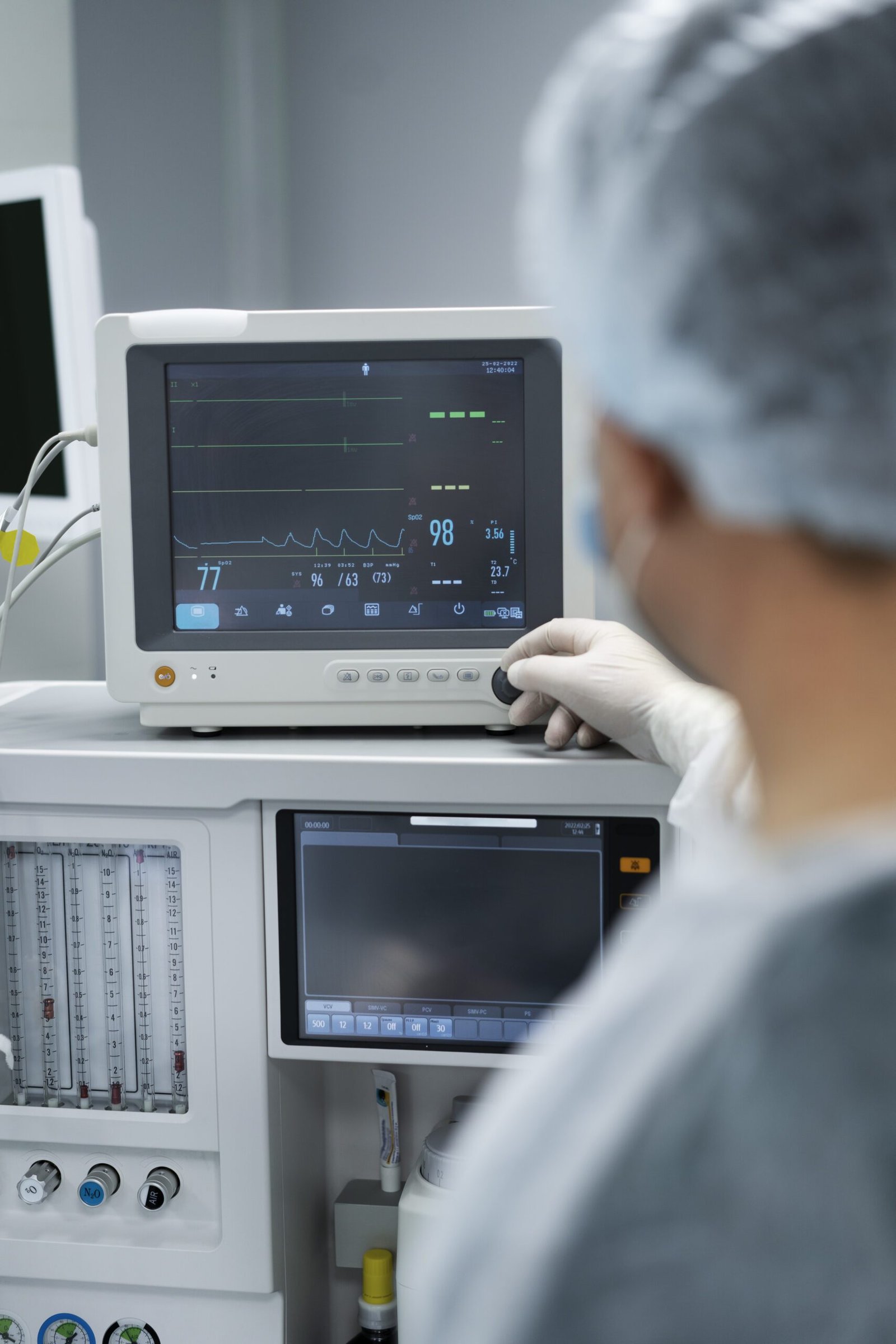
For apps and platforms, our localization services extend past text into UI strings, error messages, navigation, help content, accessibility, and user workflows- technical and functional work that goes well beyond swapping out words.
Why This Matters Most for Devices and Patient Materials
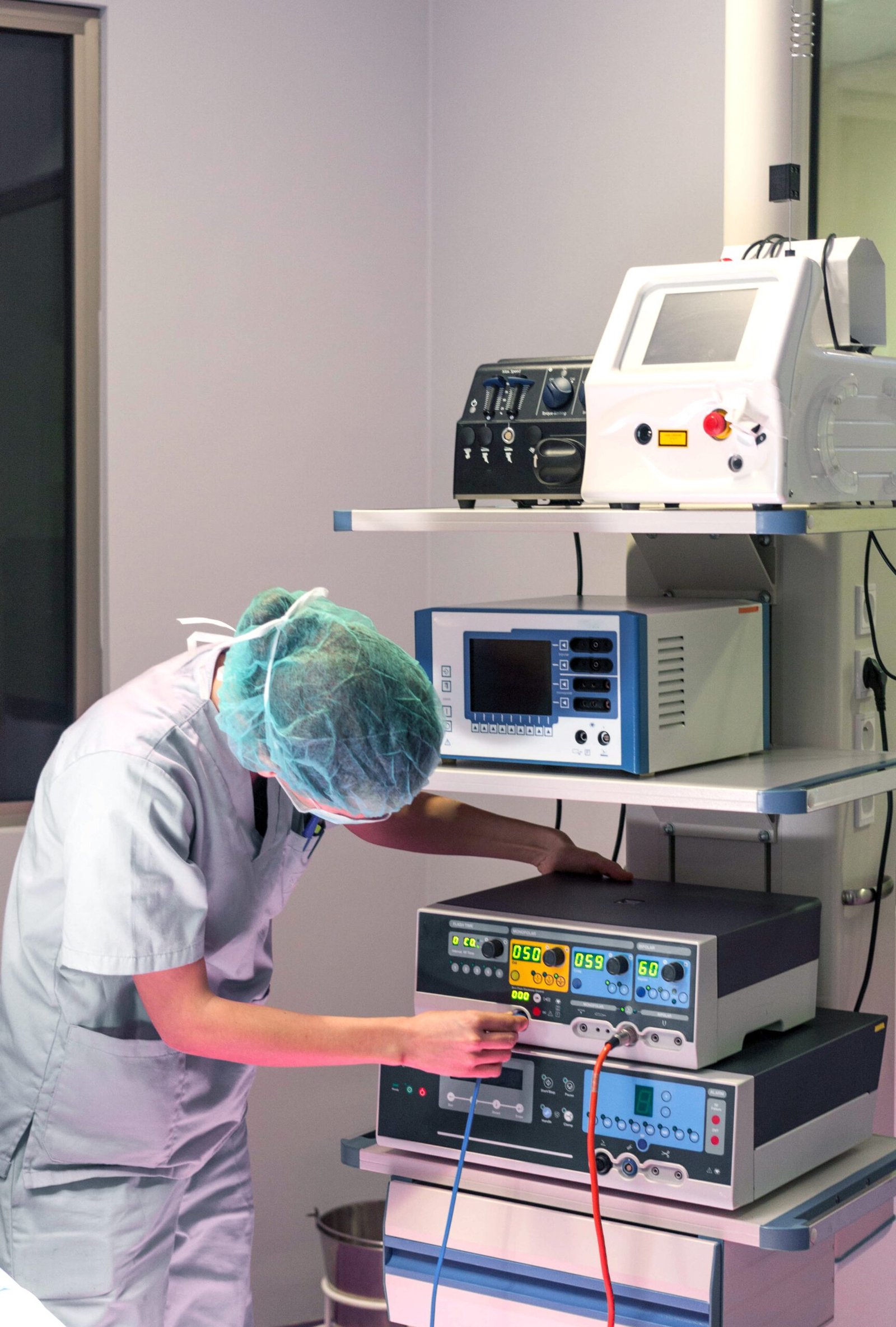
Medical devices are used by real people in real environments, so translated information must be understandable and usable, not just linguistically correct.
FDA’s human-factors guidance frames packaging, labeling, and training materials as part of a device’s user interface, on the same footing as the physical controls, because all of it shapes whether the device gets used safely.
That framing covers IFUs, patient labeling, packaging, training materials, software interfaces, and safety warnings, the same categories our medical device translation work is built around. It also has a hard boundary: FDA states that translated medical device patient labeling should not alter the intent of indications, contraindications, warnings, or precautions, and shouldn’t introduce new claims not in the original professional labeling. Localization adapts how information is presented, not what it means.
Where Localization Adds the Most Value
- Pharmaceutical content
Patient information, packaging, drug labeling, and medication materials all benefit from localization that keeps regulatory accuracy intact while making the content genuinely usable in each market. - Medical devices
IFUs, user manuals, labels, training materials, and software interfaces need to work for the person operating the device, not just be correctly translated. - Clinical research
Informed consent materials, patient questionnaires, and recruitment materials depend on participants actually understanding what they’re agreeing to and being asked, which is where our life sciences translation services and localization work together rather than as separate steps. - Digital health
Apps, patient portals, websites, and telehealth interfaces need UX and UI adaptation alongside text, since a confusing interface undermines even perfectly translated content. - Healthcare marketing
Patient education, campaign materials, and website content need to resonate with the target audience’s expectations and context, not just read grammatically correctly.
Choosing a Medical Localization Partner
- Medical and life sciences specialization
- Subject-matter-expert linguists
- Experience with the specific target market
- Regulatory awareness
- Terminology management and translation memory
- Linguistic review
- Localization engineering
- DTP capabilities
- UX/UI localization experience where relevant
- Quality assurance
- Usability testing when appropriate
- Secure handling of medical content
- Ability to manage multilingual updates over time
For regulated products, regulatory expertise should complement linguistic expertise, not substitute for it. A partner strong in one but weak in the other leaves a gap somewhere in the process.
Frequently Asked Questions
What is medical localization?
Adapting medical content to a specific language, market, culture, regulatory environment, and user audience, beyond just translating the words.
What is the difference between medical translation and localization?
Translation focuses primarily on language. Localization additionally considers cultural, functional, regulatory, and user-context factors that affect whether content actually works for its audience.
Why is medical localization important?
Because usability, comprehension, patient safety, and market suitability all depend on more than linguistic accuracy alone.
What content requires medical localization?
Medical devices, pharmaceutical materials, clinical trial content, digital health products, and patient-facing materials are the most common candidates.
Does medical localization change medical information?
No. Localization should preserve approved scientific and medical meaning. Adaptations shouldn’t introduce unsupported claims or alter safety information.
Conclusion
In healthcare, being understood isn’t the same as being translated. A successful localization process preserves medical accuracy while making content appropriate, understandable, and usable for the market it’s landing in. Columbus Lang combines medical expertise with translation, localization, and the technical capabilities to make sure the content reaching your patients and users actually works for them.